

If you’ve been researching Window Film, glazing, or have received a quote from us, you may have come across the term thermal stress.
It sounds serious, and in some cases, it can be — but it’s often misunderstood.
This article explains:
- what thermal stress actually is
- why glass cracks due to thermal stress
- how Window Film can play a role
- when Window Film is safe
- and how the risk is managed properly by us
What is thermal stress?
Thermal stress happens when different parts of a glass pane heat up or cool down at different rates.
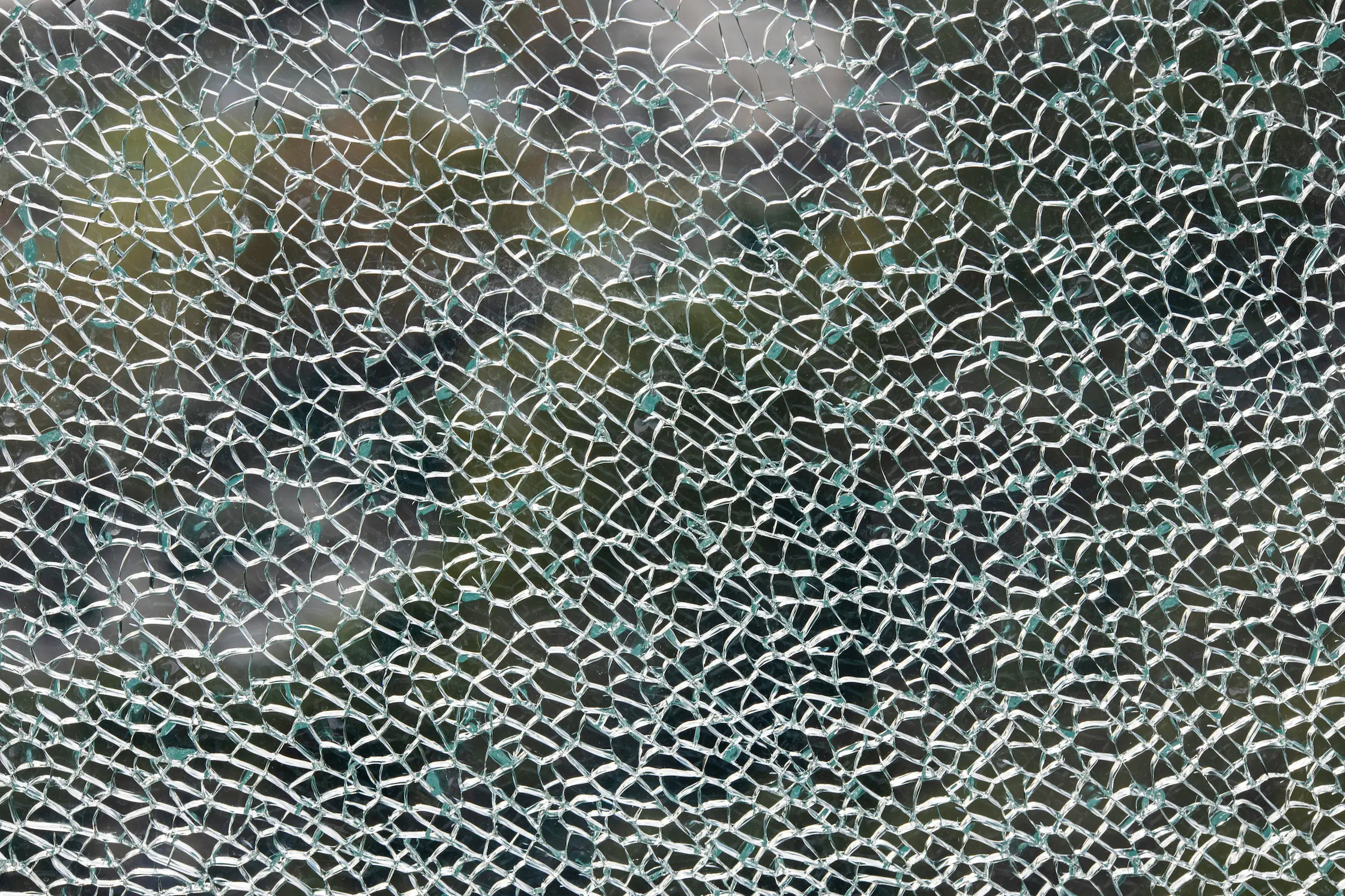
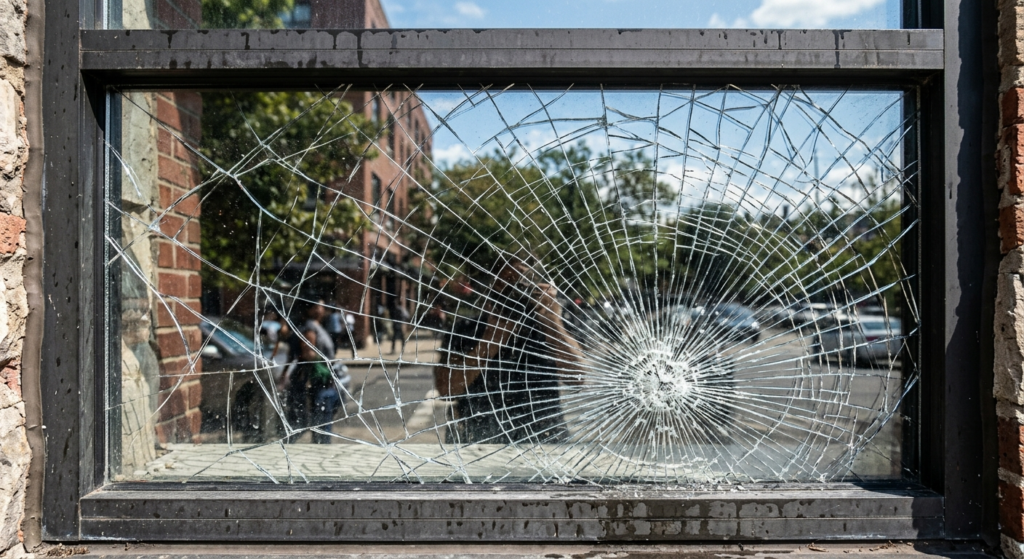
Like most things, glass expands when it gets warm, and contracts when it cools. If one area of the glass changes temperature faster than another, stress builds up inside the pane. When that stress becomes too great, the glass can crack.
Why glass is vulnerable to thermal stress
Glass is strong, but it doesn’t like temperature imbalance.
Thermal Stress can occur even if Window FIlm isn’t installed. Partial shading of a window can cause areas exposed to the sun to heat up, whilst the shaded areas stay cool, leading to uneven temperature differences and potentially cracked glass.
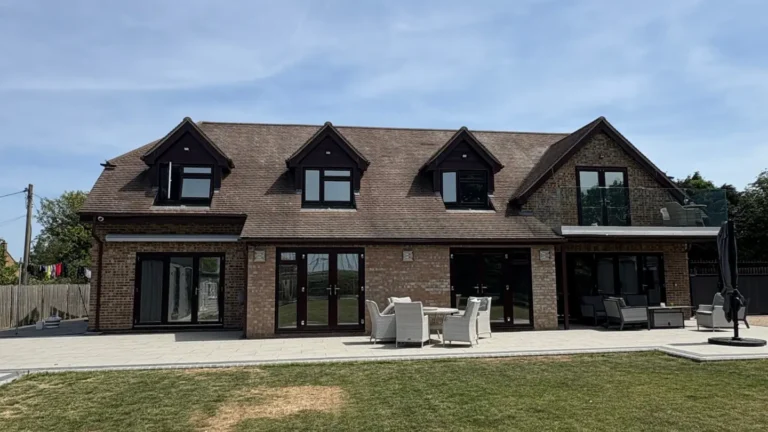
This isn’t very common, and it usually happens on older glazing that is annealed, and more fragile. A lot of newer homes, or homes that have had their glazing replaced, have toughened glass put into them. This glass is put under immense amounts of heat and pressure during the manufacturing process, and after that it’s rapidly cooled. This means toughened glass can be anywhere from 4-5 times stronger than annealed glass, meaning it’s less prone to thermal fractures.
How Window Film can contribute to thermal stress
Window Film won’t cause thermal stress overnight (although we can’t guarantee that).
However, the wrong Film installed on the wrong glass can in theory increase the risk.
Some Window Films such as Solar Films or Blackout Films, both absorb and reflect Solar energy, which can cause the surface of the glass to heat up significantly, as well as the space between the glass if you’ve got double or triple glazed windows.
So when being installed internally, for glass that is annealed or laminated, we will always get the customer to sign a risk awareness form, as it is recommended that any Film Over 50% shouldn’t be applied to these kinds of glass.
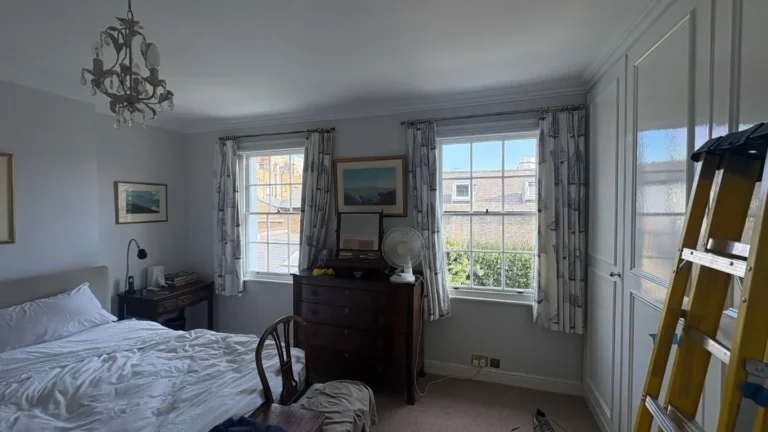
So if your house has got old glazing (annealed), but for example you would like to add more privacy to your home during the daytime with something like a Silver 20 Solar Film internally, we will always discuss this information beforehand.
Click here to read about one of our recent Silver 20 Installations
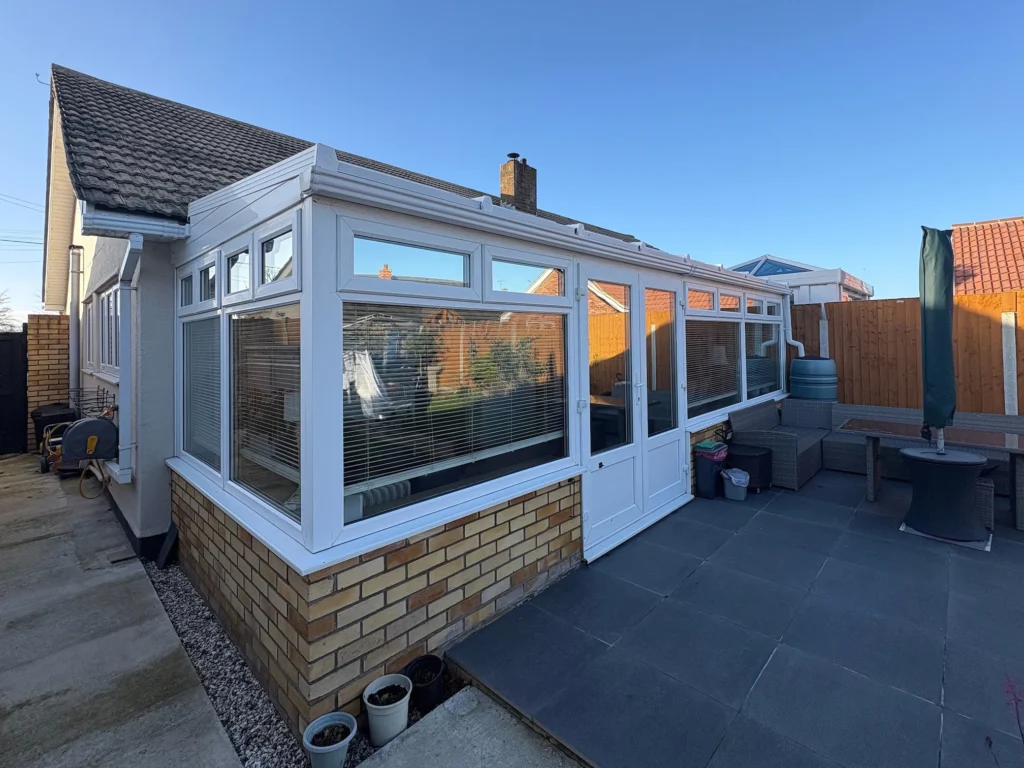
Why an external installation may be a great solution.
When installed externally, High percentage Solar Films can be safely installed to all kinds of glazing without a risk awareness form having to be signed.
The Film acts as a barrier on the outside of the glass, meaning less heat is absorbed into the glass structure, leading to a lower risk of thermal stress.
The external Films we use, tend to have a Manufacturers guarantee of up to 7 years on anything installed vertically. As well as 4 years on any sloped or flat surfaces. However, they can of course last longer with proper due care.
Not only do they not tend to cause thermal stress, but they are also slightly better for heat rejection and glare reduction, which is always an added bonus.
Watch this video where we install externally to a skylight in London:
Other Films that don’t cause thermal stress
Clear and reflective films
Light reflective films and clear UV film would be considered the lowest risk.
Frosted and decorative films
Frosted and decorative films are also extremely low risk, as they aren’t designed to absorb heat.
If my glazing pops or cracks is it always because of Window Film?
If your glazing suddenly blows or cracks, after the correct Window Film has been installed to the right kind of glazing, then this is likely a coincidence or due to improper installation of the glazing in the first place.
Double glazing can become misty if the seals in between the glazing fails. This can be due to expansion of the air between the glazing because of heat, deterioration of the material because of ageing, or poor drainage.
Double glazing can crack due to impact, as well as structural pressure from the building also.
Final thoughts
Thermal stress is a real phenomenon, but it’s often misunderstood.
Window film doesn’t automatically cause glass to crack — problems usually come from poor film choice or lack of assessment. When installed correctly and responsibly, Window Film is a safe and effective way to improve comfort, reduce glare, and protect interiors.
If you’re considering Window Film and have concerns about your glazing, simply contact us and one of our experienced team members will be able to recommend the best solution for your home.